Under way
Jocko River Bison Range Reach Restoration
Restoring 2.8 miles of the Jocko River to improve fish habitat, reconnect the floodplain and support healthier riparian and wetland ecosystems.
- Timeline
- 2025 to 2027
- Program
- Environmental Restoration
- Location
- Jocko River along the Bison Range
Project overview
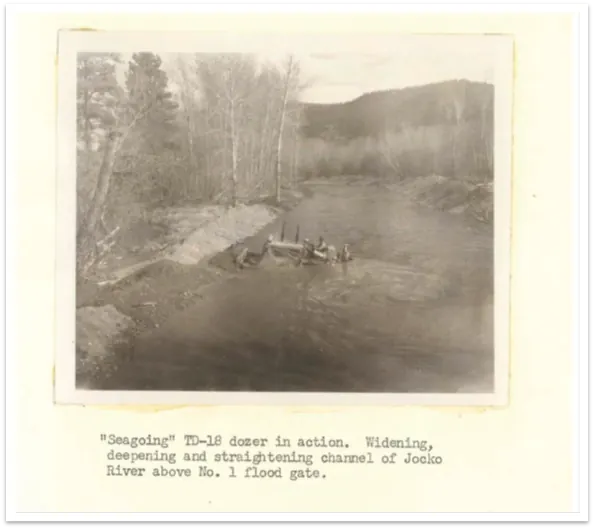
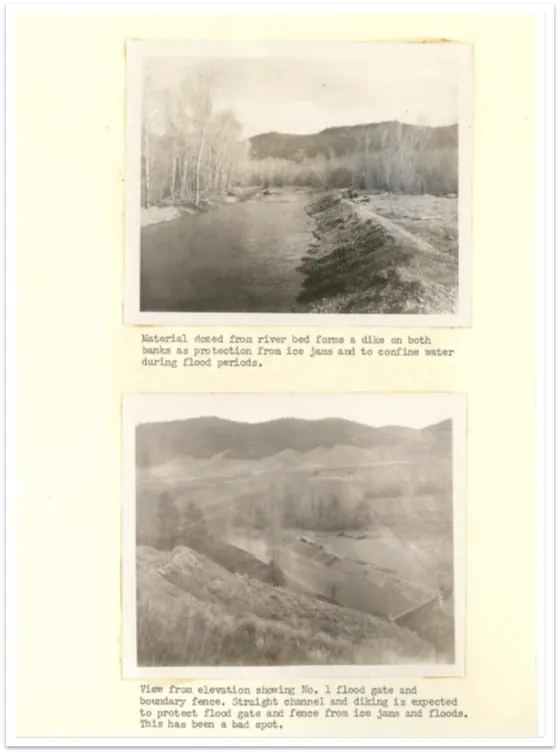
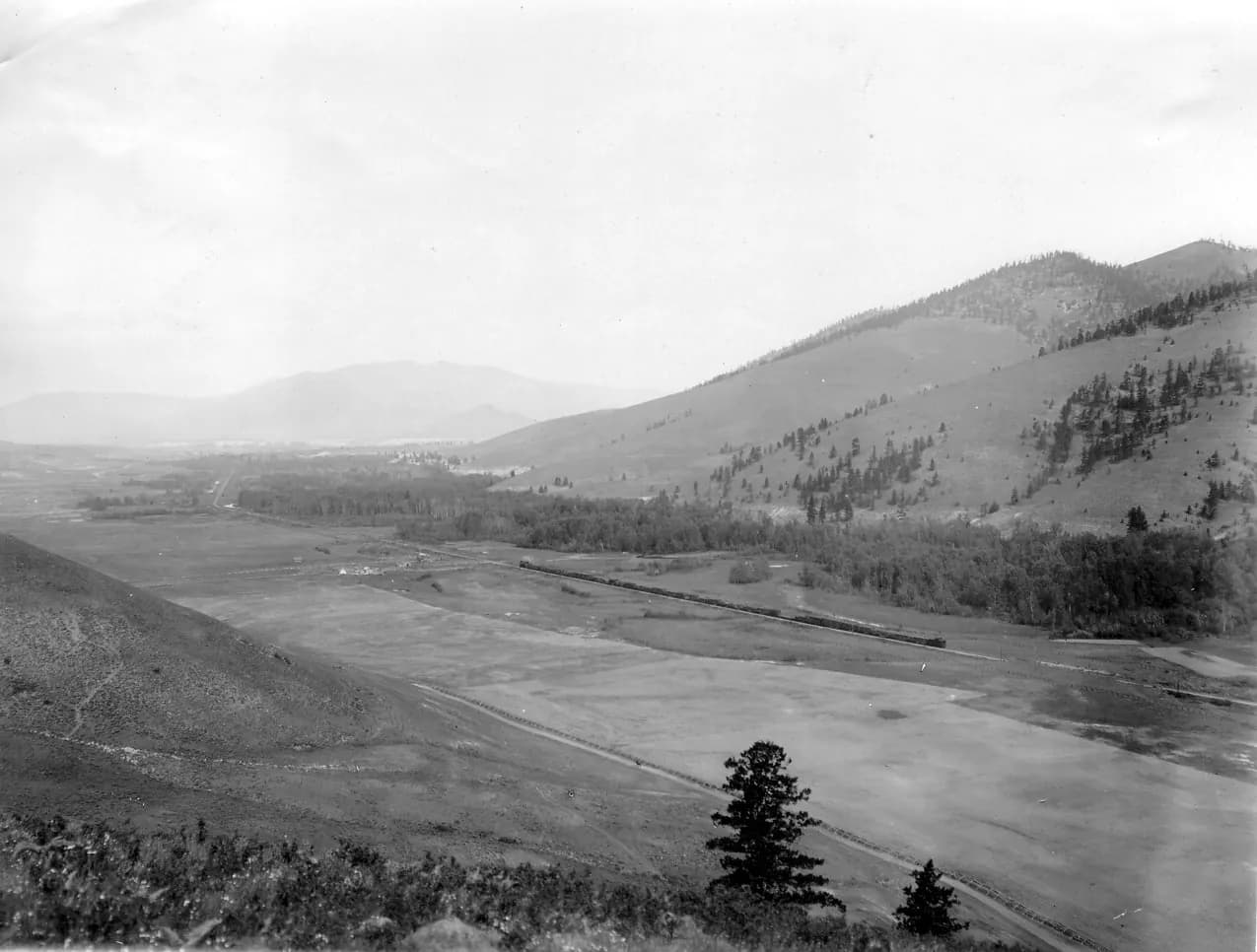
The Bison Range Reach of the Jocko River plays an irreplaceable ecological role in the Jocko watershed — it is the gateway for migratory salmonids that move among the Jocko, Flathead, and Clark Fork rivers to complete their life histories. This stream reach is critical to cold-water fish seeking thermal refuge as the Flathead River warms during summer. However, the reach has been impaired by a suite of anthropogenic disturbances that have diminished its capacity to provide the range of quality habitats it once did. Habitat degradation and hydromodification are outcomes of both private and federal actions. For example, 65 percent of reach of river has been channelized and contained by rip-rapped levees; it is almost entirely disconnected from its former floodplain. These conditions raise water temperatures, simplify the fish habitat, reduce floodplain diversity, and cause increased sedimentation in the downstream reaches.
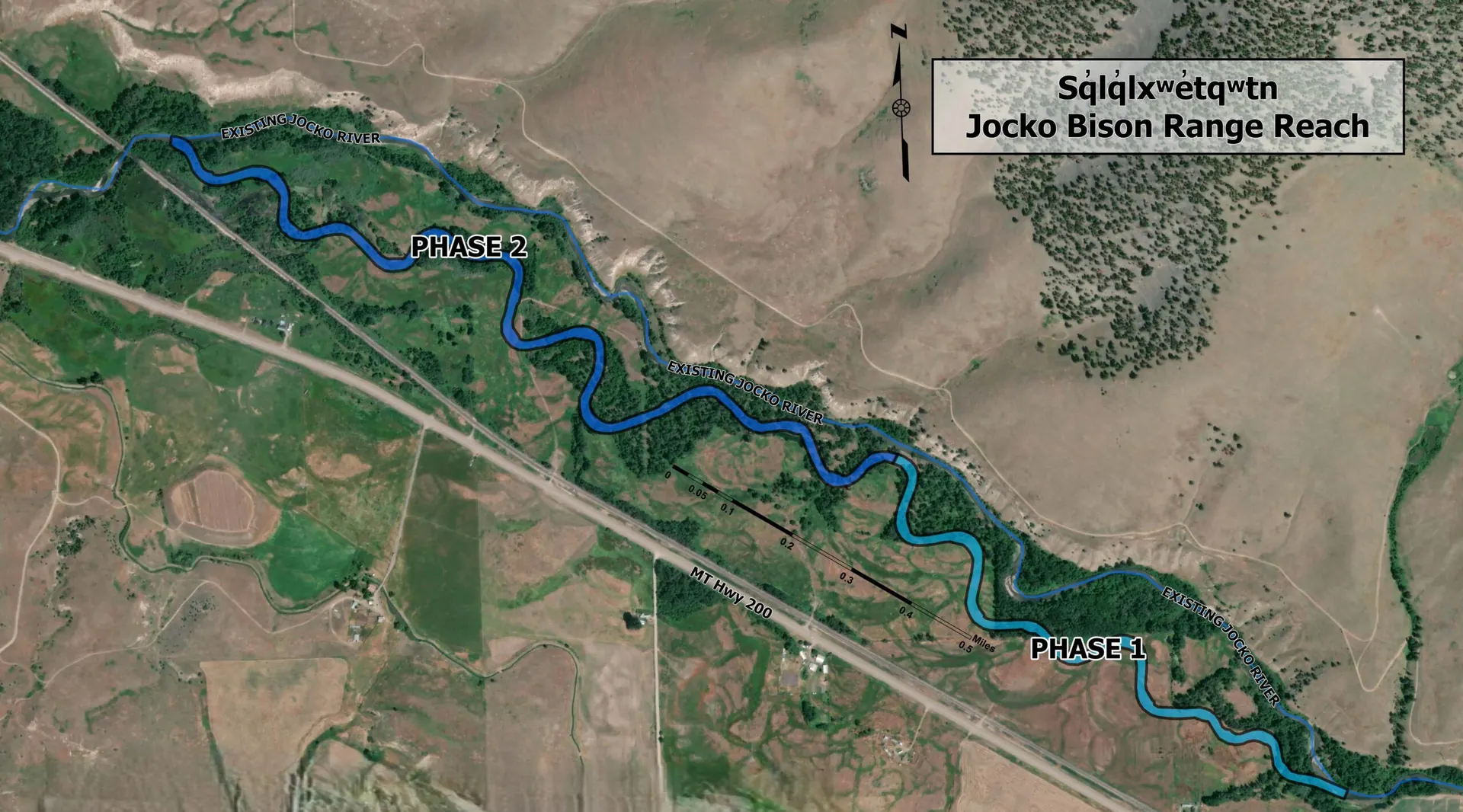
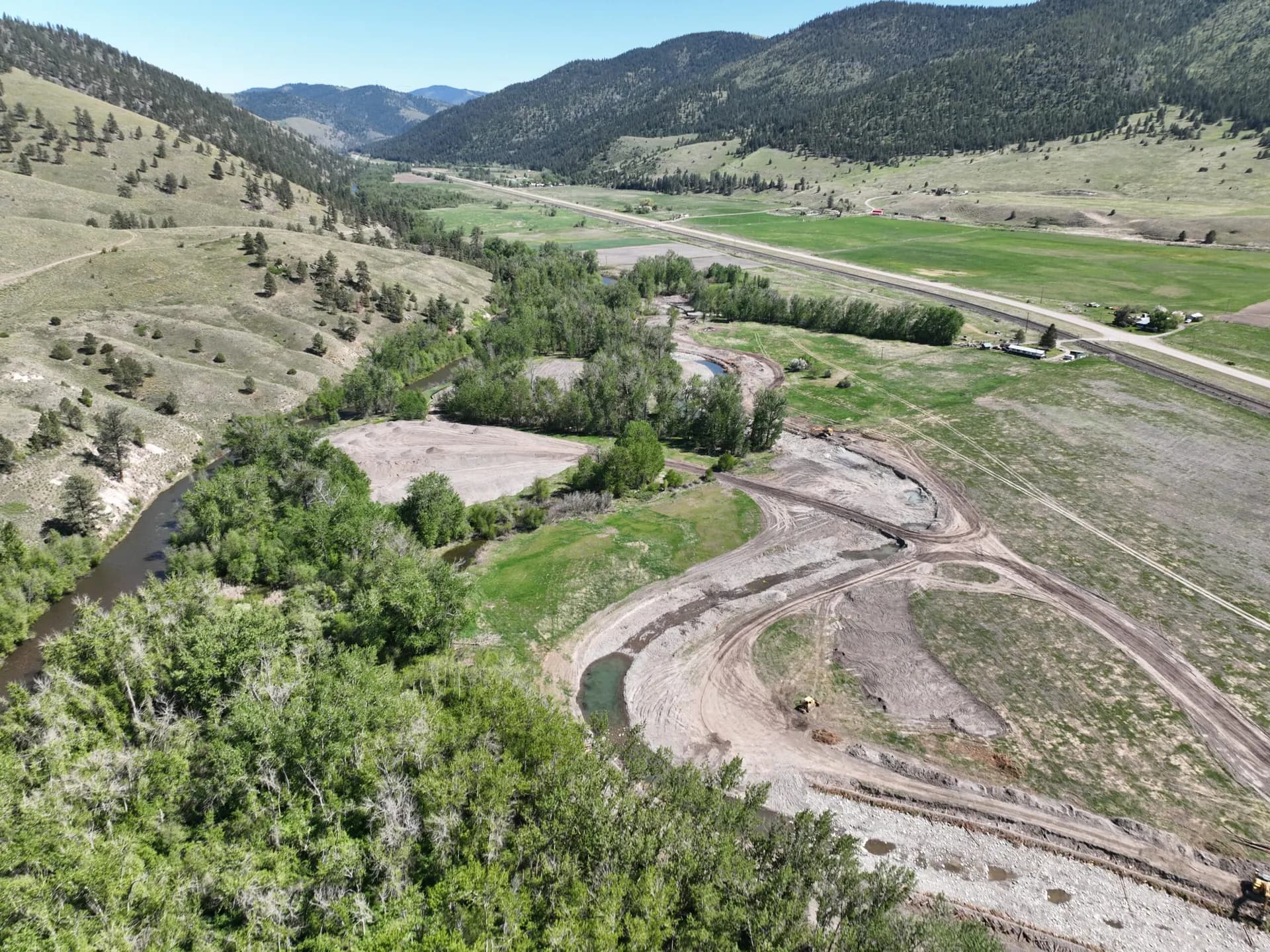
The project, as defined, will generally restore the river to its pre-disturbance planform, increase connectivity between the river and floodplain surface and groundwater, reduce water temperatures, and notably improve the existing condition and future potential for instream, floodplain, and adjacent riparian habitats. The project will enhance floodplain plant community diversity, benefitting both ecological and cultural resources.
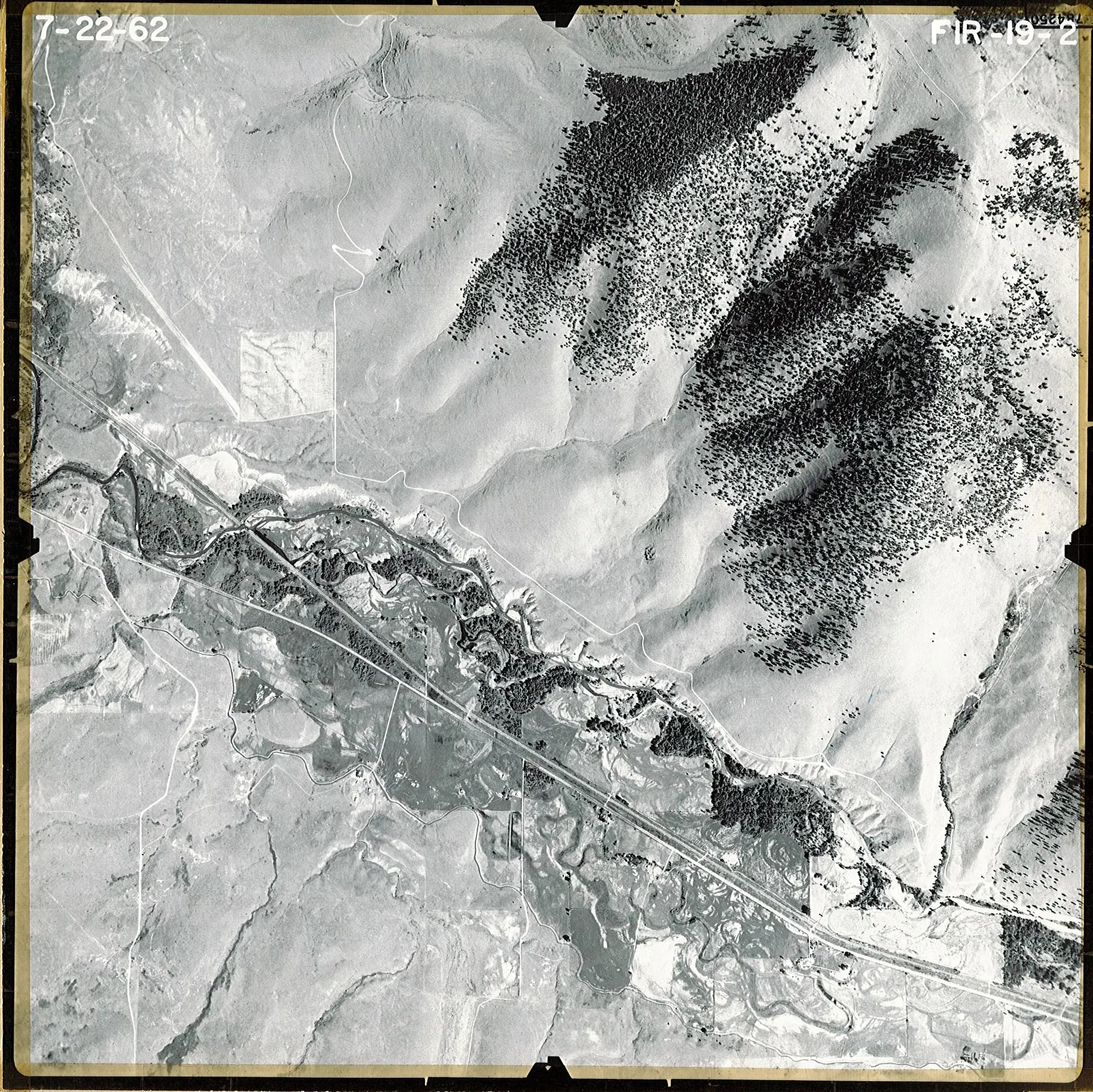
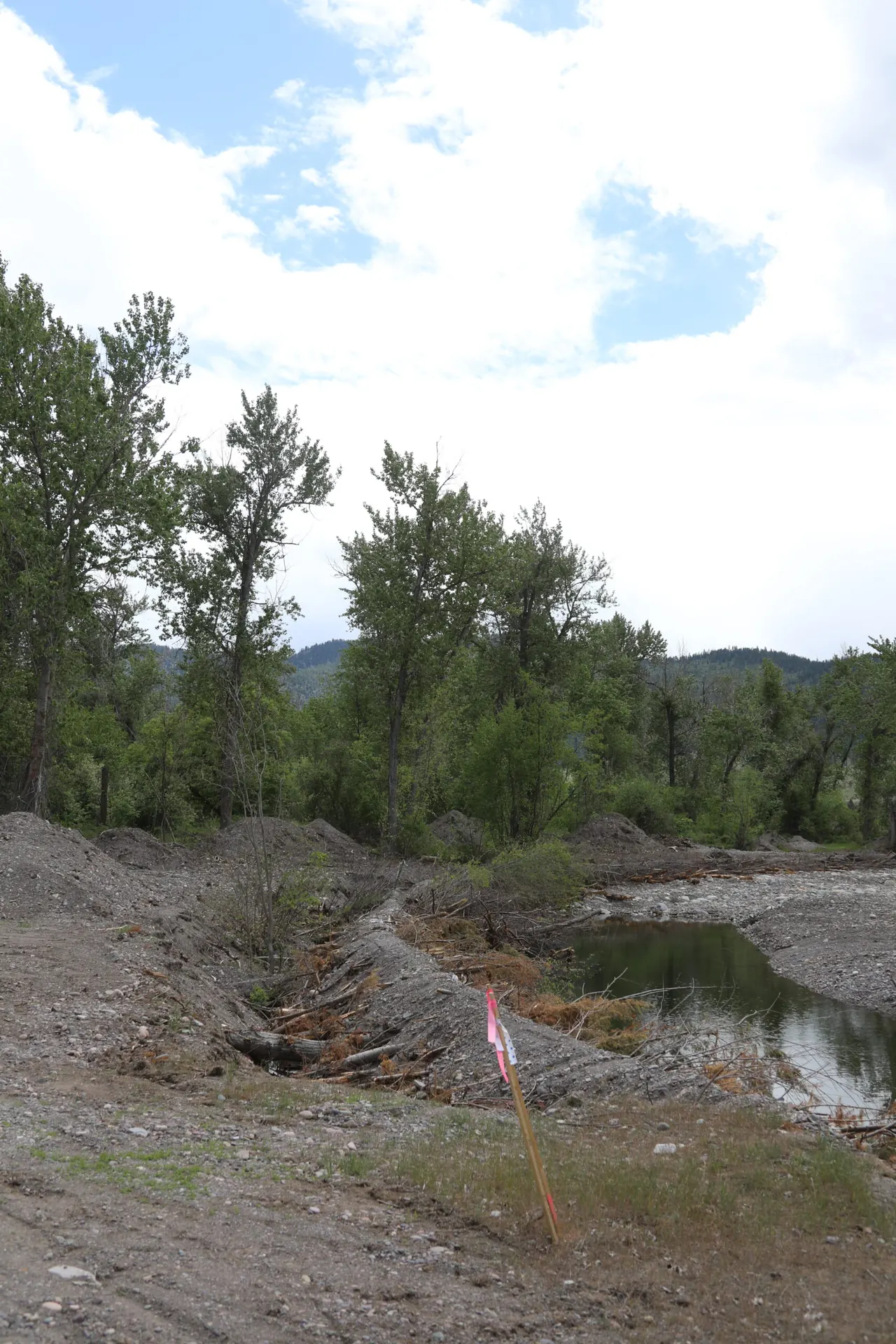
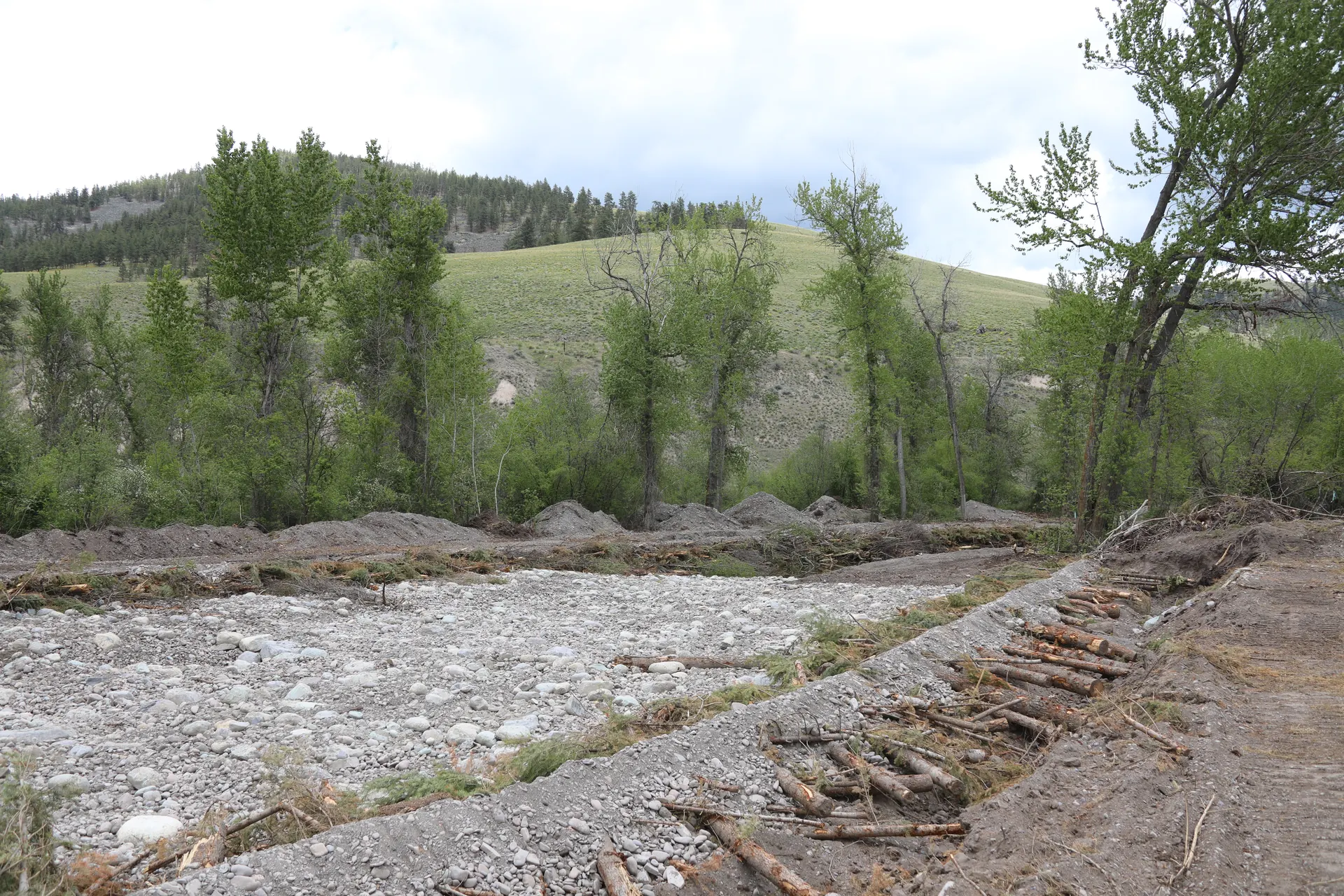
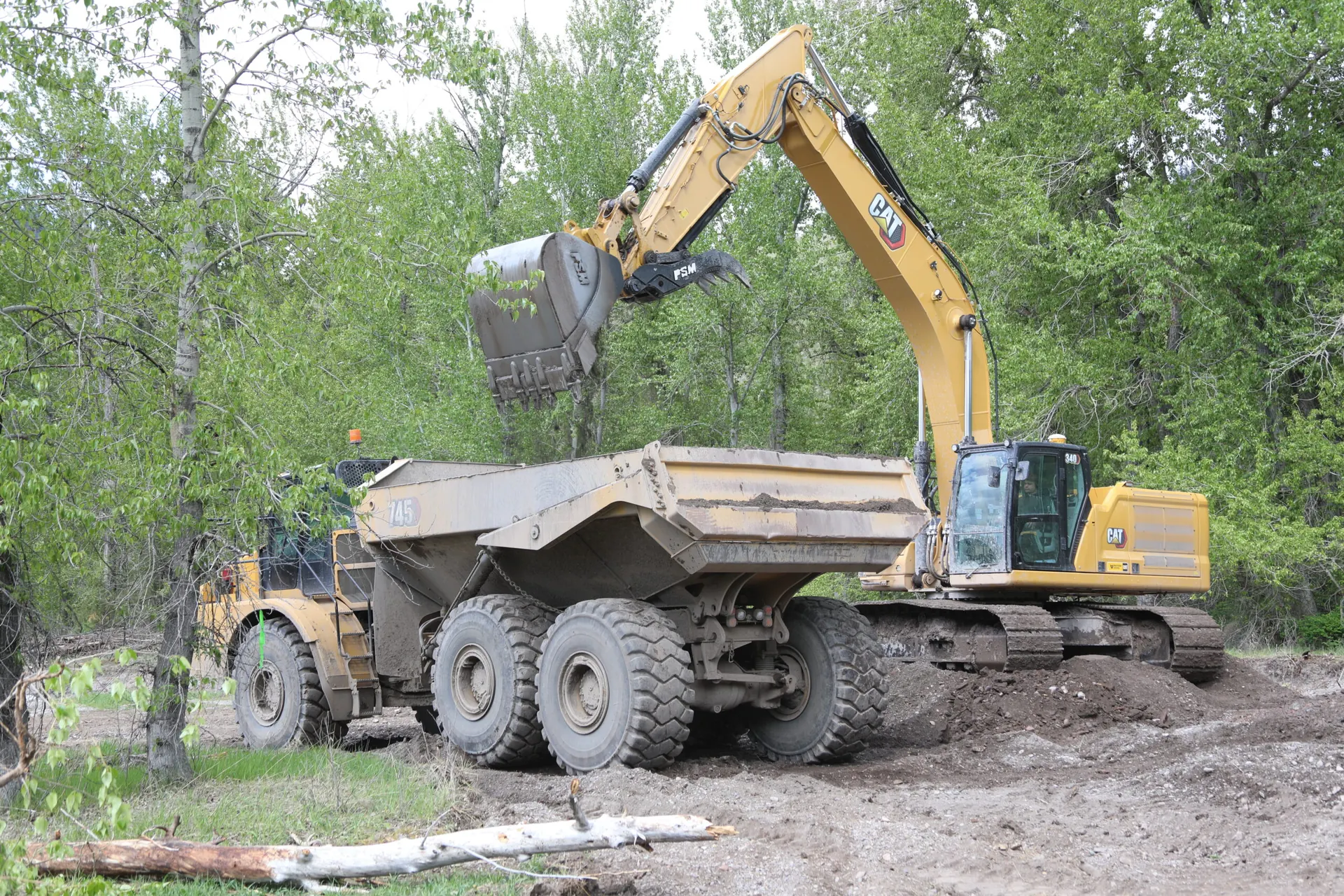
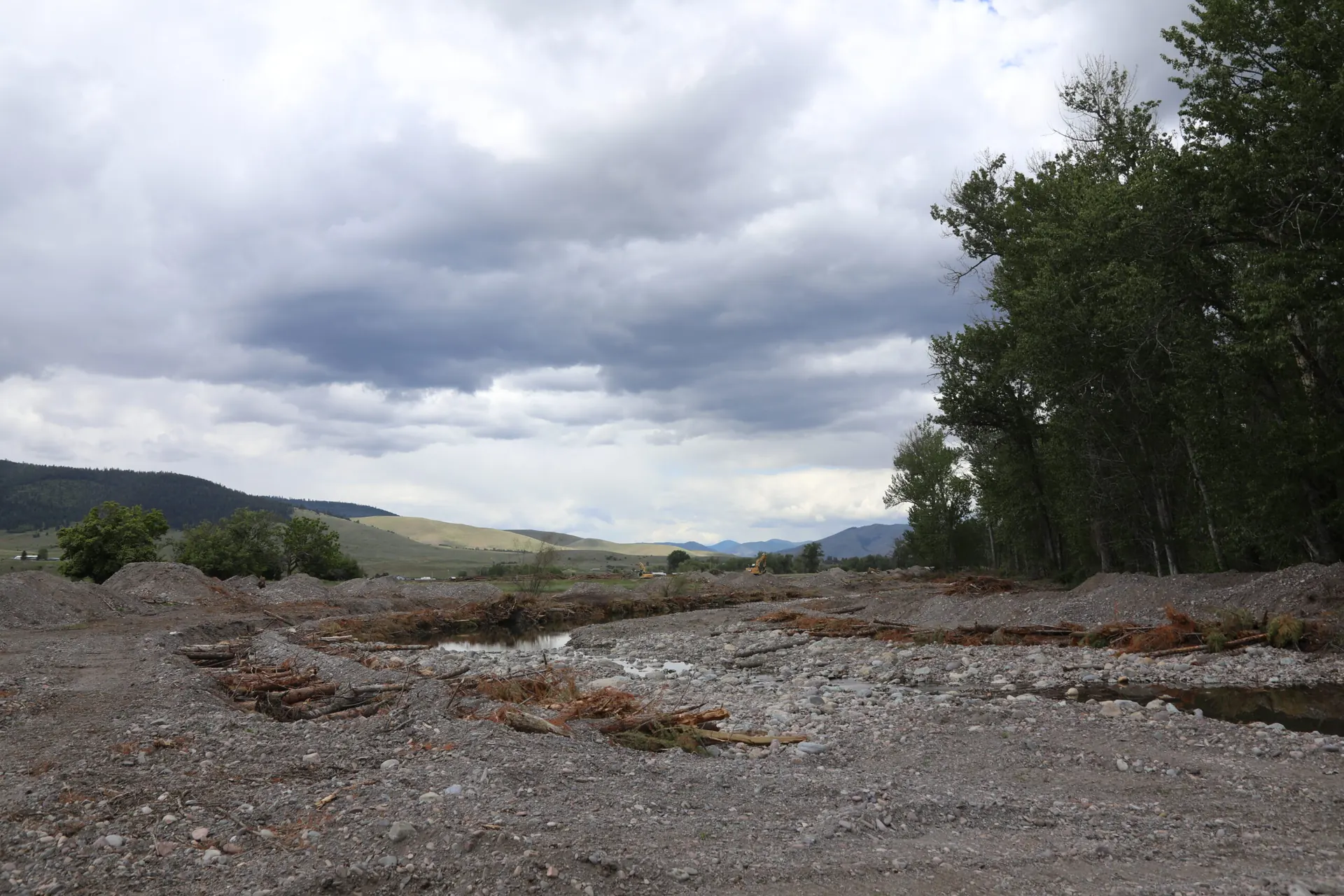
The Jocko River Bison Range Restoration Reach is a crowning jewel of a large-scale watershed restoration effort aimed at improving habitat and water quality to benefit native fish and wildlife species. The Project proposes to construct approximately 14,300 linear feet of new Jocko River channel in an historical channel alignment in the former floodplain, reclaiming approximately 12,000 feet of existing Jocko River to upland, wetland, and riparian habitats, and actively restoring the current and former floodplain. The proposed project is expected to produce over 30 acres of new wetland habitat.
Before and after
Video
Drone footage from DEWR, without narration. New videos with speech would carry captions and transcripts.